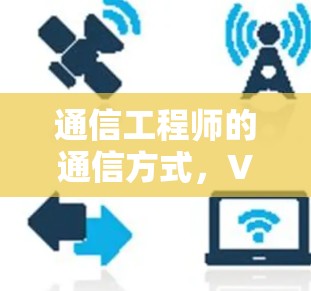
VPSSSR typically refers to the Visual Position Support System for Spacecraft Rendezvous (VSPSR), which is a system used in spacecraft operations, particularly for tasks like docking and navigation. It provides real-time information about the position, orientation, and motion of other spacecraft, enabling precise control and communication between them.
- Position Tracking: VPSSSR tracks the position of other spacecraft using visual data, including star trackers and radio signals.
- Navigation: It helps in determining the relative position and velocity of other spacecraft, which is essential for accurate docking and rendezvous.
- Communication: It allows for real-time communication between spacecraft, enabling coordination and control in space missions.
Applications:
- Spacecraft Operations: VPSSSR is used in various space missions, including Earth-to-Mars, Mars rovers, and lunar exploration.
- Recedent Tracking: It is used to track and monitor the re-entry of spacecraft into Earth's atmosphere.
Advantages:
- Improved Accuracy: VPSSSR enhances the precision of spacecraft operations.
- Reduced Fuel Consumption: Accurate tracking can help reduce the amount of fuel needed for maneuvers.
- Better Mission Success: VPSSSR improves the chances of successful and safe spacecraft re-entry.
Challenges:
- Environmental Interference: Environmental factors such as atmospheric disturbances and solar radiation can affect the accuracy of VPSSSR.
- Complexity: VPSSSR systems can be complex and require advanced sensors and data processing.
Conclusion:
VPSSSR is a critical component in many space missions, enabling effective operations in space. Its use enhances the success and efficiency of various space exploration activities.